Do I Need a Certificate of Lawfulness for Permitted Development?
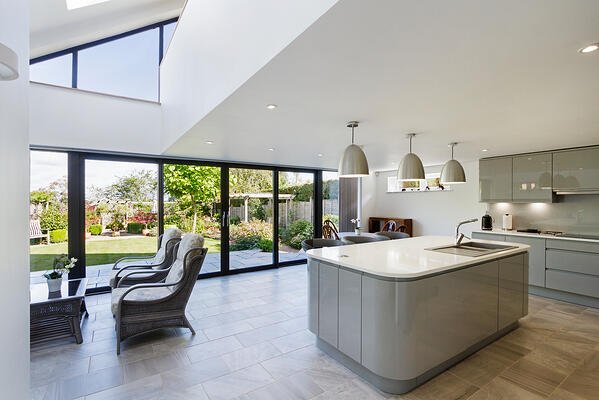
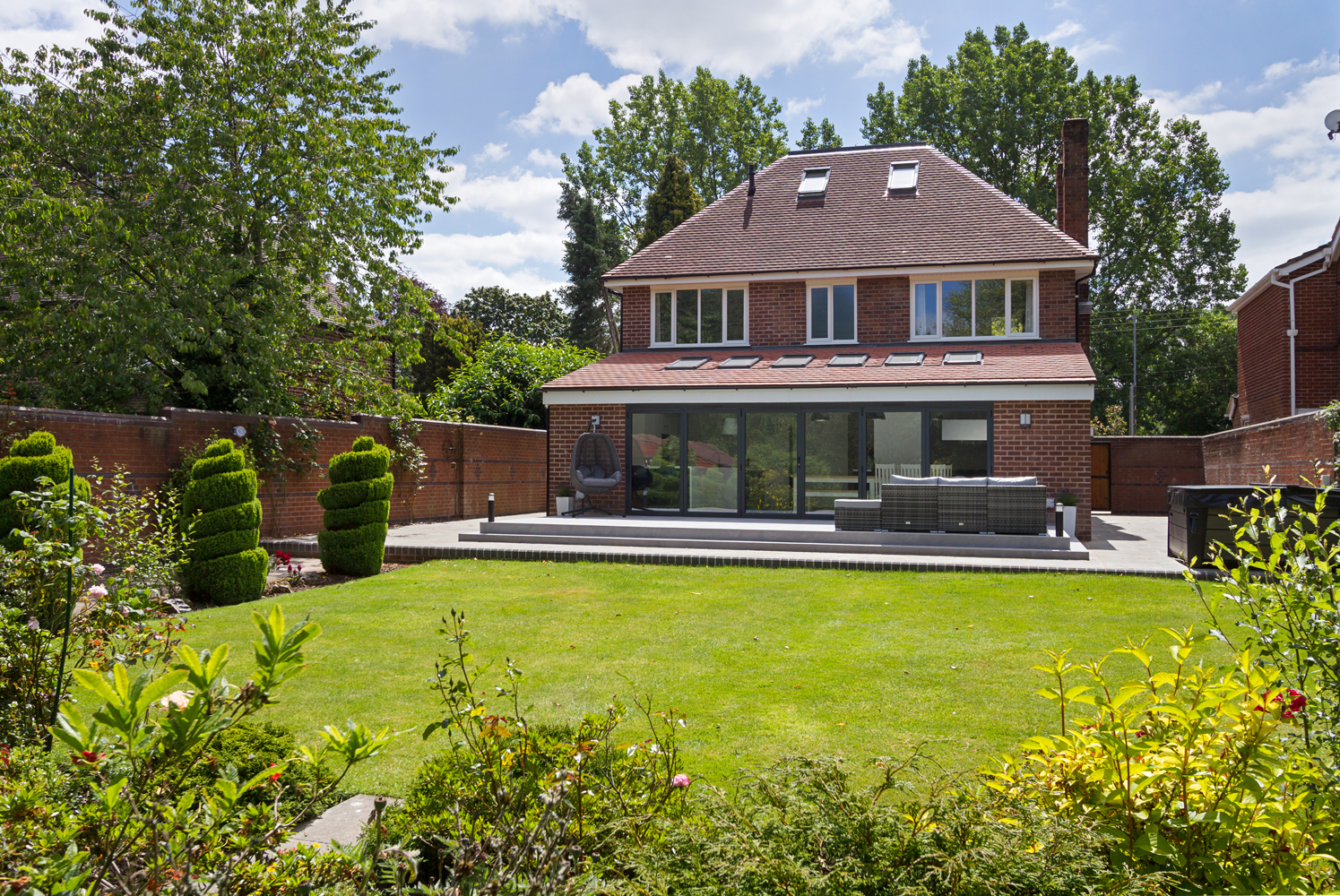
We recently supported a client in securing a Certificate of Lawfulness for their extension, ensuring the design fully complied with permitted development and could proceed with confidence.
👉 View the full case study here
When planning a house extension under permitted development in the UK, many homeowners assume that formal approval isn’t required. While this is technically true, at Croft Architecture we strongly advise applying for a Certificate of Lawfulness (CLPD) to protect your project.
A Certificate of Lawfulness provides official confirmation from your Local Planning Authority that your extension complies with permitted development rules in the UK and does not require planning permission.
What Is a Certificate of Lawfulness (CLPD)?
A Certificate of Lawfulness for Proposed Development (CLPD) is a legal document confirming that your proposed extension meets UK permitted development regulations.
Unlike planning permission, this is assessed against planning law rather than subjective opinion, giving you certainty that your development is lawful.
Do I Need a Certificate of Lawfulness for Permitted Development?
While not mandatory, applying for a Certificate of Lawfulness for an extension is highly recommended.
Permitted development rules can be complex, particularly when dealing with:
- Rear extension depth limits
- Height restrictions
- Boundary proximity
- Previous extensions and cumulative development
At Croft Architecture, we regularly help clients navigate these rules to ensure their permitted development extension is fully compliant.
Why a Certificate of Lawfulness Matters for Your Extension
1. Certainty Before You Build
A Certificate of Lawfulness UK removes ambiguity by confirming your extension complies with permitted development rules before construction begins.
This avoids costly mistakes and ensures your project is legally compliant from day one.
2. Protection When Selling Your Property
If you build without a lawful development certificate, you may face issues during sale.
Buyers and solicitors often request proof that works were lawful. Without it, you risk:
- Delays in conveyancing
- Additional legal checks
- Reduced buyer confidence
A Certificate of Lawfulness for your extension provides clear evidence and protects your investment.
3. Reduce Planning Risk
Even when working within permitted development rights, interpretation can vary.
Without a CLPD application, there is a risk that:
- The Local Authority may challenge the development
- Enforcement action could be taken
Securing a Certificate of Lawfulness significantly reduces this risk and allows you to proceed with confidence.
4. A Better Design Process
At Croft Architecture, preparing a Certificate of Lawfulness application is part of a structured design approach.
It ensures:
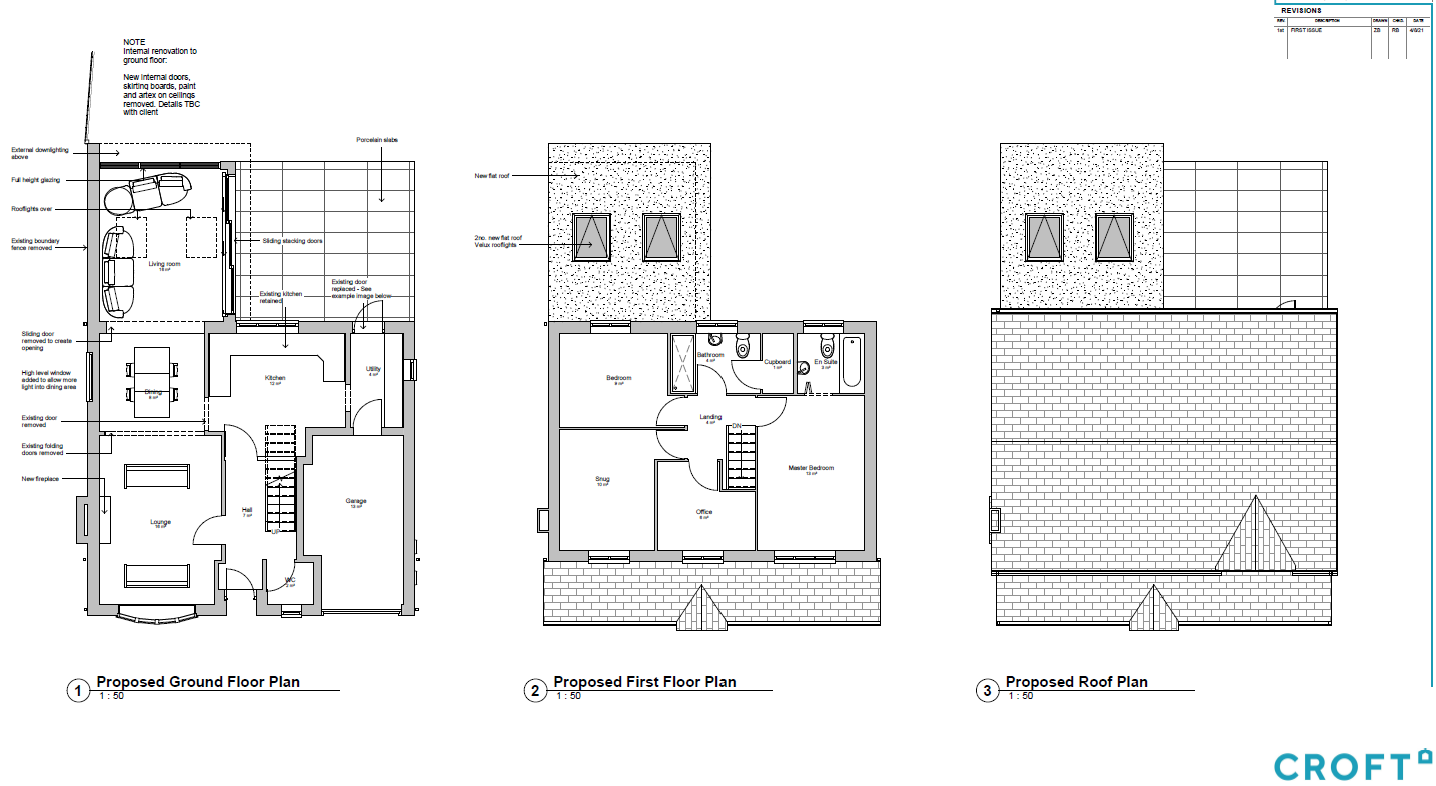
- Accurate and coordinated drawings
- Full compliance with permitted development rules
- A well-considered, buildable design
This leads to better outcomes for both design quality and construction.
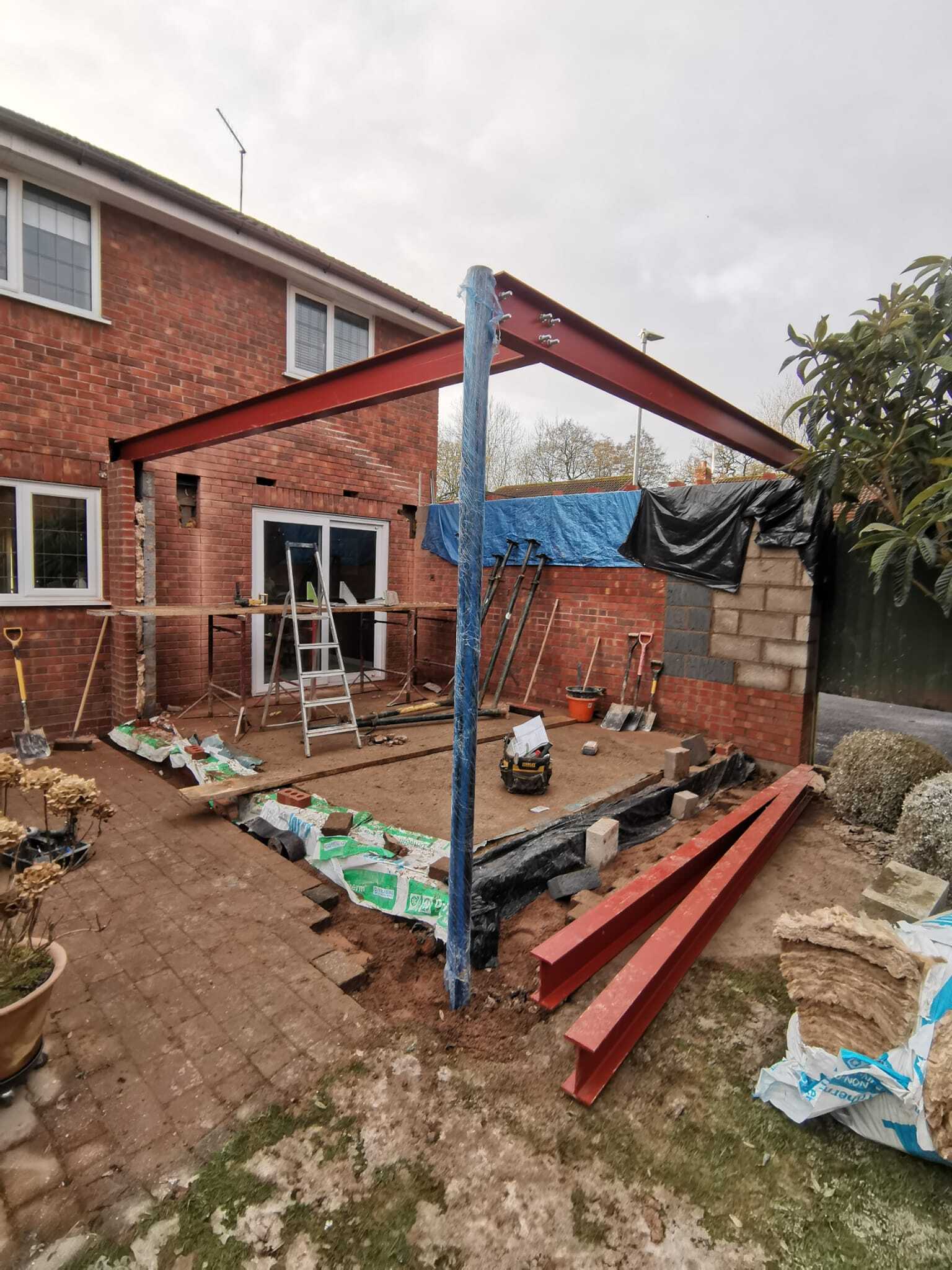
Permitted Development vs Planning Permission (UK)
A permitted development extension allows you to build without full planning permission, provided the design meets strict criteria.
However, without a Certificate of Lawfulness, there is no formal confirmation that your project complies.
A CLPD bridges the gap — offering legal clarity while avoiding the time and uncertainty of a full planning application.
Case Study: Certificate of Lawfulness for a Rear Extension
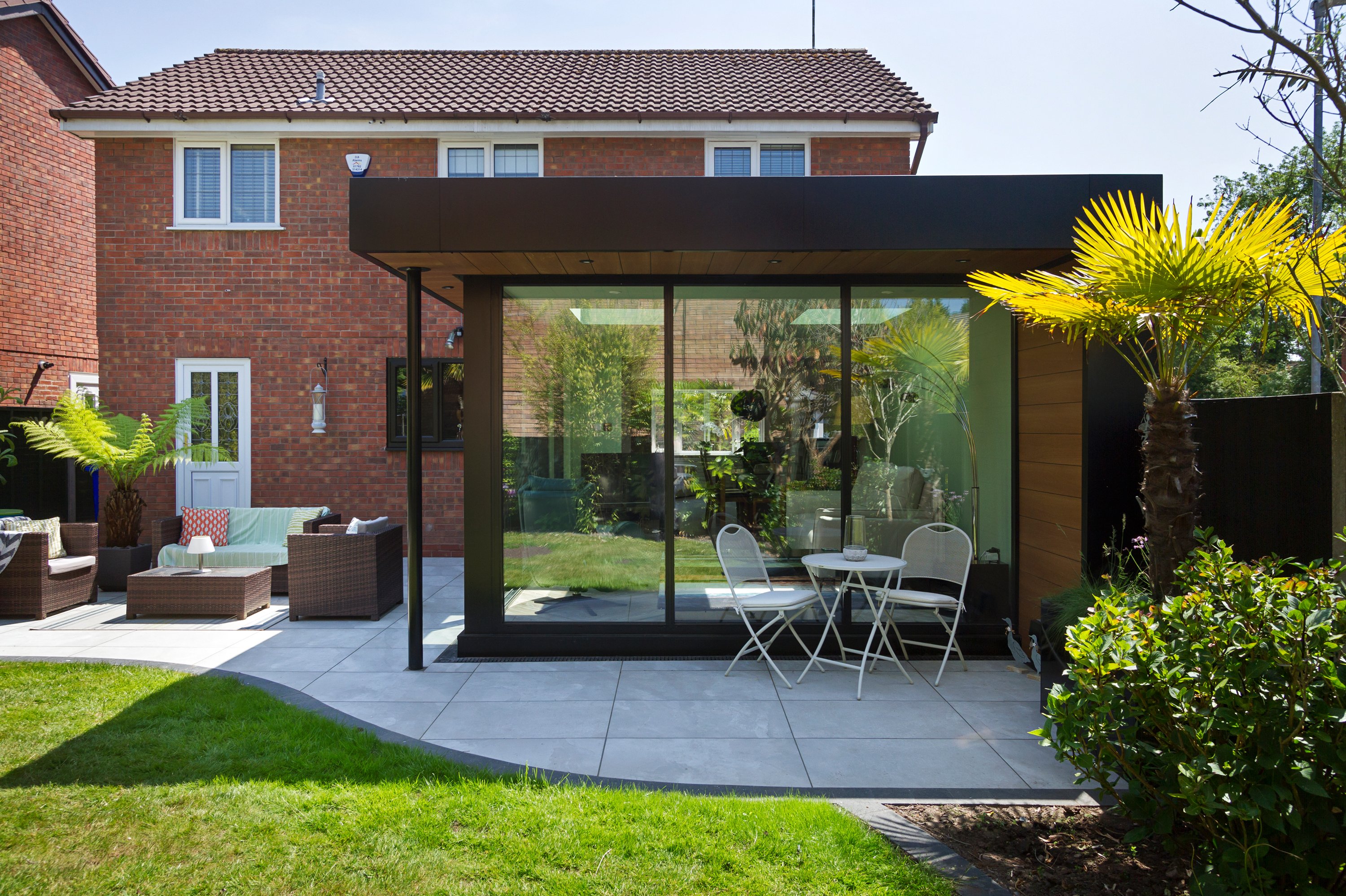
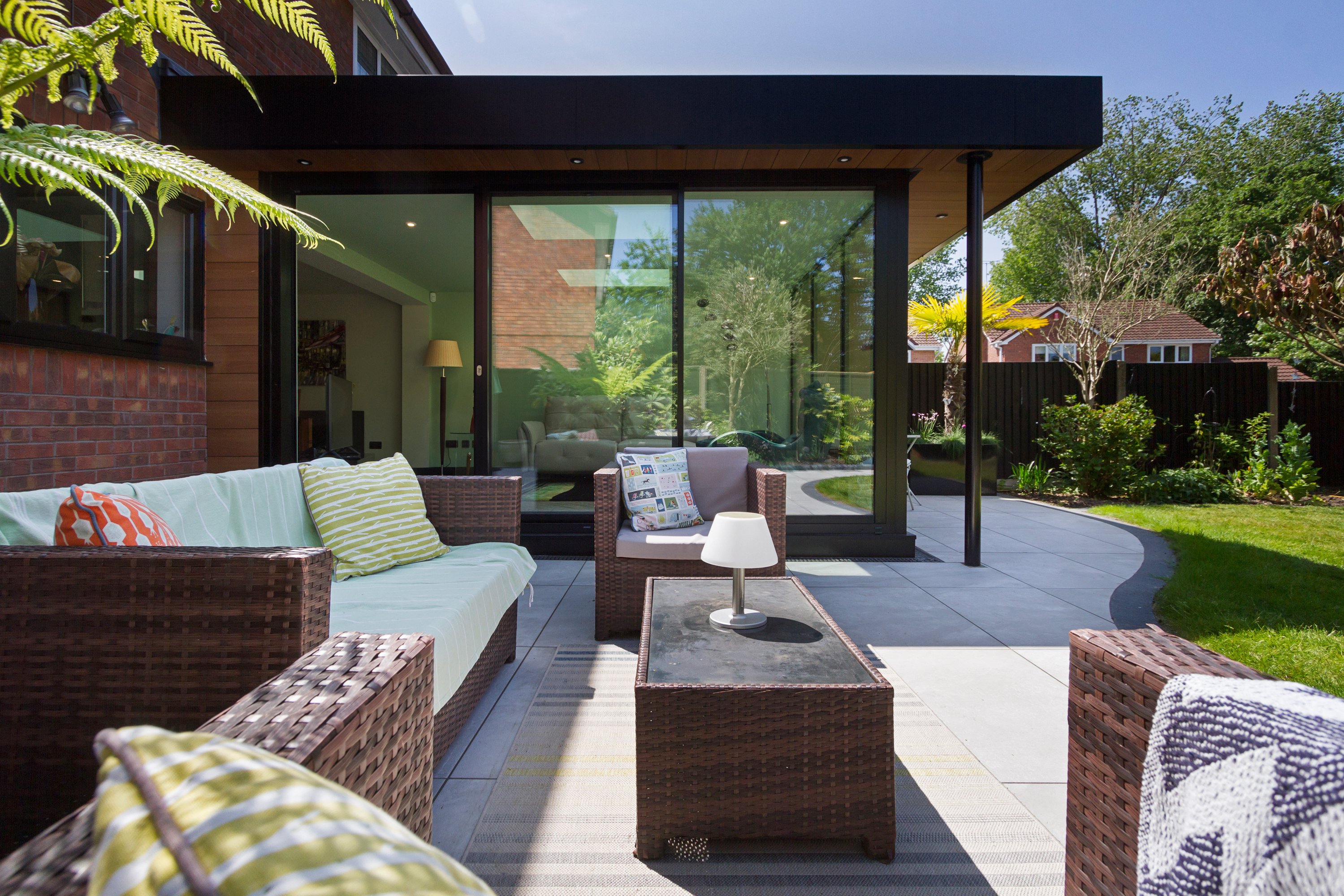
We recently supported a client in securing a Certificate of Lawfulness for a rear extension under permitted development, ensuring the scheme could proceed without planning permission.
👉 View the full case study here:
This project demonstrates how a clear strategy and careful design can unlock development potential while remaining fully compliant.
How Croft Architecture Can Help with Permitted Development
At Croft Architecture, we specialise in designing permitted development extensions in the UK and securing Certificates of Lawfulness.
We:
- Assess whether your extension qualifies under permitted development
- Design schemes that maximise what is achievable
- Prepare and submit CLPD applications
- Liaise with the Local Planning Authority through to approval
Our approach ensures your project is compliant, buildable, and future-proofed.
Conclusion: Is a Certificate of Lawfulness Worth It?
If you are planning a house extension under permitted development, a Certificate of Lawfulness is one of the most valuable steps you can take.
It provides:
- Legal certainty
- Reduced risk
- Protection when selling
- A stronger design process
At Croft Architecture, we believe good design is not just about space — it’s about clarity and confidence from the outset.
Need advice on your extension?
Contact Croft Architecture to discuss your project and find out how we can help you secure approval under permitted development